
Written by Sheel Patel, MD of APAC Centers for Pain Management
Introduction to MILD:
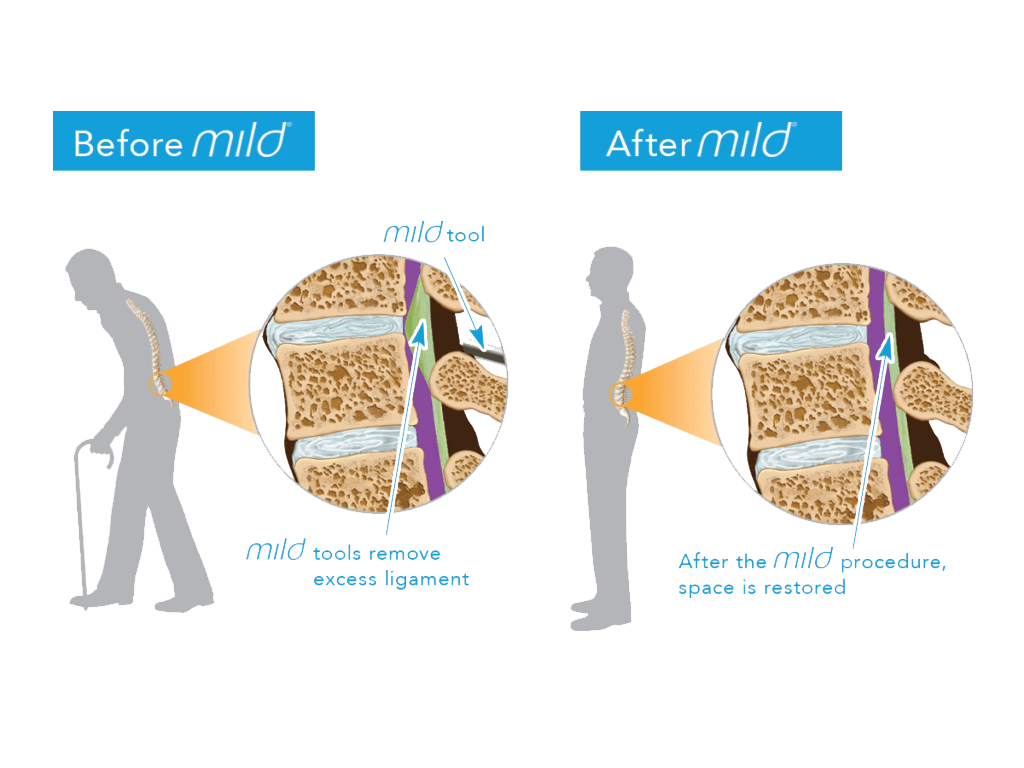
- MILD is a minimally invasive procedure performed by Vertos Medical for patients experiencing lumbar spinal stenosis.
- Lumbar spinal stenosis is a common condition causing the narrowing of the spinal canal, leading to pain and discomfort.
- MILD aims to relieve symptoms and improve quality of life without the need for major surgery.
Benefits of MILD:
- Minimally invasive: MILD involves a small incision and utilizes specialized tools to treat spinal stenosis, resulting in less tissue damage and quicker recovery compared to traditional surgery.
- Local anesthesia: MILD is performed under local anesthesia, reducing the risks associated with general anesthesia.
- Same-day procedure: MILD is typically performed on an outpatient basis, allowing patients to return home on the same day of the procedure.
- Quick relief: Many patients experience immediate relief from pain and an improvement in mobility following the MILD procedure.
- Preserves anatomy: MILD preserves the natural anatomy of the spine, minimizing the need for extensive tissue removal or fusion.
Procedure Overview:
- Initial evaluation: A thorough evaluation is conducted by a healthcare professional to determine if MILD is suitable for the patient.
- Anesthesia: Local anesthesia is administered to ensure the patient’s comfort during the procedure.
- Small incision: A small incision, usually less than 1 cm, is made in the back to access the affected area of the spine.
- Access and visualization: Using specialized tools and imaging guidance, the surgeon gains access to the spinal canal and visualizes the compressed nerves.
- Tissue removal: A small portion of the bone and excess tissue causing the compression are carefully removed to relieve pressure on the nerves.
- Closing the incision: The incision is closed with sutures or adhesive strips, requiring minimal post-procedure care.
- Recovery: Following the procedure, patients are monitored and may be allowed to return home the same day. Recovery time varies, but most patients experience a quick return to normal activities.
Risks and Considerations:
- While MILD is generally safe, risks and complications may include infection, bleeding, nerve damage, or adverse reactions to anesthesia.
- Not suitable for all patients: MILD may not be appropriate for individuals with severe spinal instability, significant deformity, or certain other medical conditions.
- Long-term outcomes: While MILD provides relief for many patients, individual results may vary, and long-term outcomes should be discussed with a healthcare professional.
Follow-Up Care:
- Post-procedure instructions: Patients will receive specific instructions on caring for the incision site and managing discomfort, if any.
- Physical therapy: In some cases, a physical therapy program may be recommended to help restore strength and mobility.
- Follow-up appointments: Regular follow-up appointments will be scheduled to monitor progress and address any concerns.
Note: This summary provides a general overview of the MILD procedure. It is important to consult with a healthcare professional to determine if MILD is the appropriate treatment option for your specific condition.